


Contact Us
Contact Us

Subsidy Rationalisation: Balancing Costs and Welfare

Exploring Malaysia’s approach to reducing fuel and food subsidies while protecting lower-income households and maintaining economic competitiveness in regional markets.

11 min read Intermediate March 2026
Policy documents and subsidy reform documentation showing fiscal planning and cost reduction strategies

Why Subsidies Matter — And Why They’re Complicated

Subsidies aren’t just budget line items. They’re about real people filling their cars, buying groceries, keeping their families fed. When governments subsidise fuel and food, they’re essentially saying: “We’ll pay part of this cost so you don’t have to.” It sounds good in theory. But there’s a catch.

Malaysia spends billions every year propping up fuel and food prices. These programmes protect lower-income households from price shocks — absolutely essential. But they also drain the federal budget, crowd out spending on education and healthcare, and create economic distortions. The real question isn’t whether to cut subsidies. It’s how to cut them without hurting the people who depend on them most.

Government economic planning office with budget analysis documents and fiscal policy charts
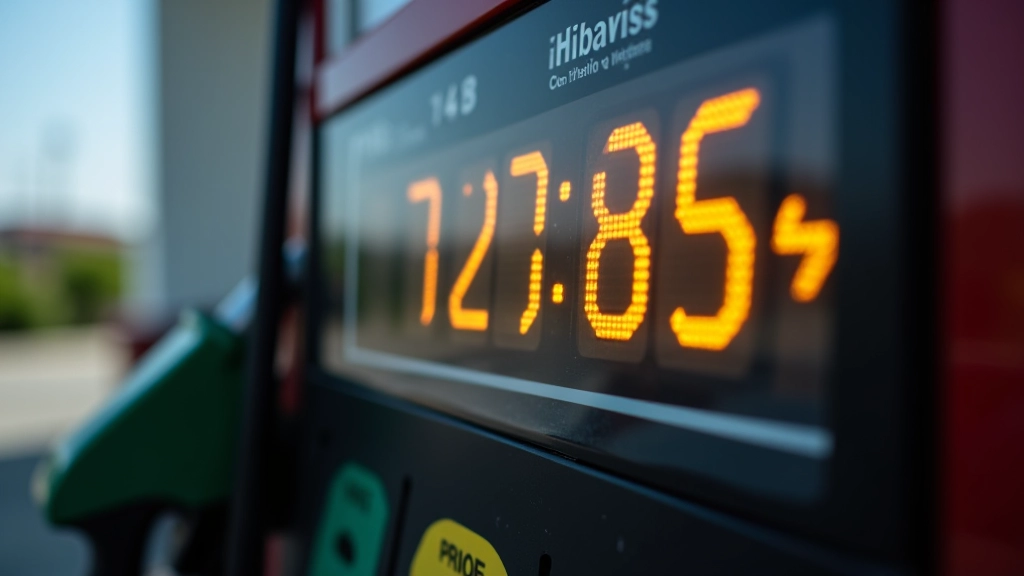
Fuel pump display showing price per liter with subsidy impact on consumer costs

The Current Subsidy System: What’s Actually Happening

Malaysia’s subsidy system covers several key areas. Fuel subsidies keep petrol and diesel cheaper than international prices. Food subsidies affect rice, sugar, flour, and cooking oil — staples that most households buy weekly. Transportation subsidies support public bus networks and rail services. And there’s targeted cash assistance for the poorest households.

Here’s the financial reality: annual fuel subsidy spending reaches RM 2-3 billion depending on global oil prices. Food subsidies add another RM 1.5-2 billion. When combined, they represent about 2-3% of the federal budget. That’s not small change — it’s funding that could’ve gone to schools, hospitals, or infrastructure. Yet removing these subsidies overnight would create genuine hardship for millions of families. You can’t just flip a switch.

The structural problem is that subsidies benefit everyone — rich and poor alike. A wealthy businessman and a factory worker both pay the same subsidised fuel price. That’s inefficient. You’re spending government money helping people who don’t need help.


The Rationalisation Strategy: Three Pillars

Malaysia’s subsidy rationalisation isn’t about cutting everything. It’s about restructuring. The approach has three main components, and they work together.

01

Gradual Price Adjustments

Instead of sudden price hikes, fuel and food prices adjust incrementally toward market rates. This gives households time to adjust spending patterns. A 10-15% increase happens over several months, not overnight. Families can plan, budgets can adapt.

02

Targeted Cash Transfers

As fuel prices rise, the government provides direct cash assistance to the poorest 40% of households. These transfers are means-tested — you get help based on income, not automatically. The money goes directly to bank accounts, no stigma, no queue at government offices.

03

Efficiency Improvements

Government agencies reduce waste in subsidy administration. Better targeting means subsidies actually reach people who need them. Leakage to wealthy households gets minimised. The same budget dollars protect more families when they’re spent efficiently.

Person reviewing household budget spreadsheet with cost of living calculations and subsidy impact analysis
Economic data visualization showing inflation rates and subsidy cost trends over time

Real Outcomes: What Actually Changes

When subsidy rationalisation works well, several things happen simultaneously. Fuel prices might increase by 8-12% over a year. But families earning under RM 2,000 monthly receive cash transfers that offset that increase. A family spending RM 150 on fuel monthly gets roughly RM 20-25 in direct assistance. Not perfect, but it keeps them whole.

The fiscal benefit appears in government budgets. That RM 2-3 billion previously spent on universal fuel subsidies gets redirected. Some goes to the cash transfer programme — maybe RM 800 million. The remaining RM 1.2-2 billion can fund actual services: new schools in rural areas, expanded healthcare clinics, better roads. That’s the trade-off: universal subsidies that help everyone versus targeted programmes that help the neediest and fund public investment.

But there’s also pain. Middle-income households — earning RM 2,000-4,000 monthly — don’t qualify for cash transfers. They experience real price increases with no compensation. Transportation costs rise. Food costs climb. These are the squeezed families who feel the impact most acutely, and there’s no easy answer for them.

The Real Challenges Nobody Talks About

Implementation Complexity

Identifying who qualifies for cash transfers isn’t simple. Malaysia has about 7 million households. Determining which 2.8 million fall into the poorest 40% requires accurate income data. Government systems often lack current information. Some eligible families don’t apply because they don’t know the programme exists. Others submit false documents. You’re trying to target help precisely in a system with real data gaps.

Political Pressure

Nobody likes price increases. When fuel prices rise, everyone notices immediately. When cash transfers arrive, people don’t always connect it to the subsidy cut. There’s no political credit for the government. Meanwhile, businesses dependent on cheap fuel — trucking companies, taxi operators, restaurants — face real cost pressures and lobby hard against reform.

Inflation Effects

When fuel prices rise, transport costs increase. When transport costs increase, everything transported gets more expensive — groceries, clothing, manufactured goods. Even though food subsidies remain in place, overall food inflation can accelerate because of higher logistics costs. Cash transfers help, but they don’t fully neutralise these ripple effects.

Smuggling and Arbitrage

When Malaysian fuel prices stay significantly below regional prices, smuggling becomes profitable. Fuel gets purchased domestically at subsidised rates and sold across borders at market prices. Thailand and Indonesia have stronger price incentives. This diverts domestic supply and undercuts the fiscal savings from subsidy reduction.

Government policy meeting discussing budget constraints and subsidy reform implementation challenges

The Balancing Act: No Perfect Solutions

“Subsidy rationalisation isn’t about choosing between protecting people and fixing the budget. It’s about doing both better than the current system does either.”

Malaysia’s subsidy rationalisation programme illustrates a fundamental government challenge: resources are finite, and priorities compete. Universal fuel subsidies are simple to administer but economically wasteful and fiscally unsustainable. Targeted cash transfers are more efficient but require capable institutions and face political obstacles. There’s no approach that’s purely good or purely bad.

What matters is implementation quality. Rationalisation works when price increases happen gradually, cash transfers reach the right people reliably, and government invests savings in visible public goods. It fails when increases are sudden, targeting is poor, and people see their costs rising without understanding the benefit or receiving help.

The evidence from Malaysia and other countries suggests that reform is possible. It’s politically difficult, administratively demanding, and never perfectly painless. But without it, subsidy bills grow indefinitely, crowding out other spending and creating unsustainable fiscal positions. The real question isn’t whether to reform. It’s whether you’ll do it thoughtfully, with genuine protections for vulnerable households, or whether you’ll delay until crisis forces hasty, painful changes.

That’s the core balance: immediate hardship from reform versus future instability from inaction. Malaysia’s approach attempts to split the difference — reform that’s real but gradual, that helps those most vulnerable but requires all households to adjust. Whether that’s the right balance depends on values, circumstances, and political will.

Disclaimer

This article provides educational information about Malaysia’s subsidy rationalisation approach and fiscal policy frameworks. It’s not financial, economic, or policy advice. Subsidy structures, cash transfer programmes, and government spending priorities vary by circumstance and change over time. Information presented reflects frameworks as of March 2026. For specific guidance on government programmes or eligibility for assistance, consult official government resources or relevant ministry websites. Individual situations differ significantly, and policies affect households differently based on income, location, and consumption patterns.