
Infrastructure Investment and Economic Stability
How strategic infrastructure spending through 5-year development plans drives productivity, attracts foreign investment, and strengthens Malaysia’s competitive advantage in the global economy.

Understanding the Infrastructure-Stability Connection
Infrastructure isn’t just about building roads and bridges — it’s about creating the foundation for everything else. When Malaysia invests in quality infrastructure, we’re really investing in the ability of businesses to operate more efficiently, workers to move faster, and goods to reach markets with less friction. That’s productivity growth, plain and simple.
The relationship between infrastructure spending and economic stability works in both directions. Better infrastructure attracts foreign companies looking to set up operations. They want reliable ports, modern airports, quality telecommunications networks. At the same time, when infrastructure is well-maintained and accessible, local businesses don’t waste money dealing with congestion, delays, and poor connectivity. They can focus on growth instead.
This isn’t theoretical — it’s measurable. Countries with solid infrastructure typically see higher GDP growth rates, more foreign direct investment, and stronger job creation. Malaysia’s 5-year development plans recognize this, which is why infrastructure spending remains a cornerstone of our fiscal strategy.
Strategic Investment Allocation
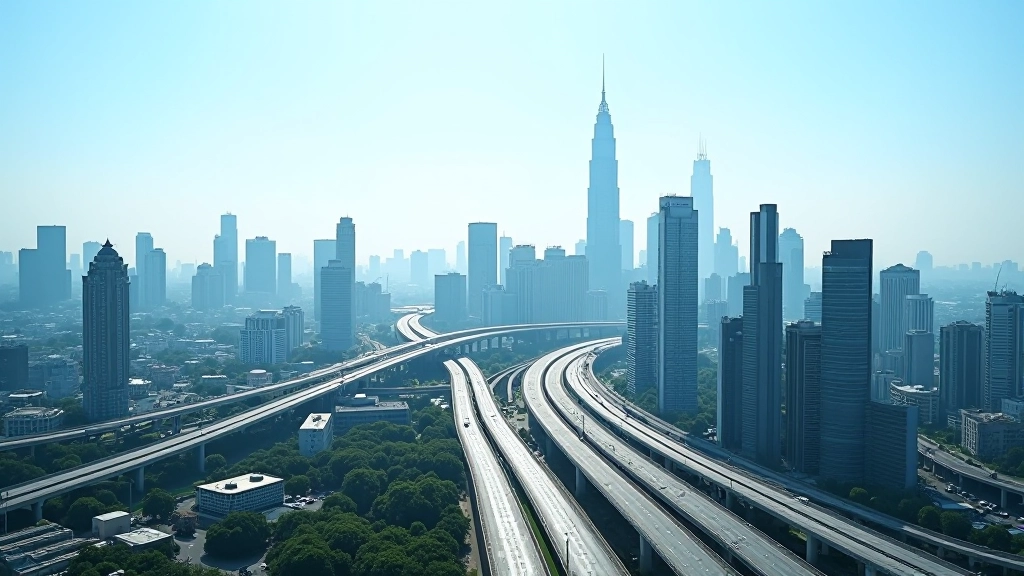
Malaysia’s infrastructure budget gets divided across several critical areas. Transportation infrastructure — highways, railways, ports, and airports — typically receives the largest share because movement of people and goods is fundamental. We’re not just maintaining existing roads; we’re building new corridors that connect previously underserved regions to economic hubs.
Digital infrastructure has become increasingly important. High-speed internet, 5G networks, and data centers aren’t luxuries anymore — they’re essential for attracting tech companies and supporting digital transformation across all sectors. The government’s broadband rollout program aims to ensure even rural areas can participate in the digital economy.
Energy infrastructure also receives substantial funding. Power generation capacity, distribution networks, and renewable energy facilities need continuous investment. Reliable electricity is non-negotiable for manufacturing, services, and residential areas. When businesses worry about power cuts, they take their operations elsewhere.
Water treatment facilities, waste management systems, and environmental infrastructure round out the portfolio. These don’t grab headlines, but they’re critical for public health and supporting sustainable growth. A city without clean water or functioning sewage systems can’t attract or retain quality workforce.

Productivity Gains and Operational Efficiency
Here’s where infrastructure spending really shows its value. A manufacturing plant operating in an area with congested roads, unreliable electricity, and poor port access faces constant headaches. Production schedules slip. Supply chains break. Costs rise. Now put that same facility in an area with modern highways, stable power, and efficient port operations — suddenly everything runs smoother.
The math is straightforward: when businesses spend less time dealing with logistics problems, they spend more time on actual production and innovation. A logistics company that previously spent 30% of its operating budget managing delivery delays can redirect that money into hiring more drivers, investing in better vehicles, or expanding service areas. That’s how infrastructure spending becomes economic growth.
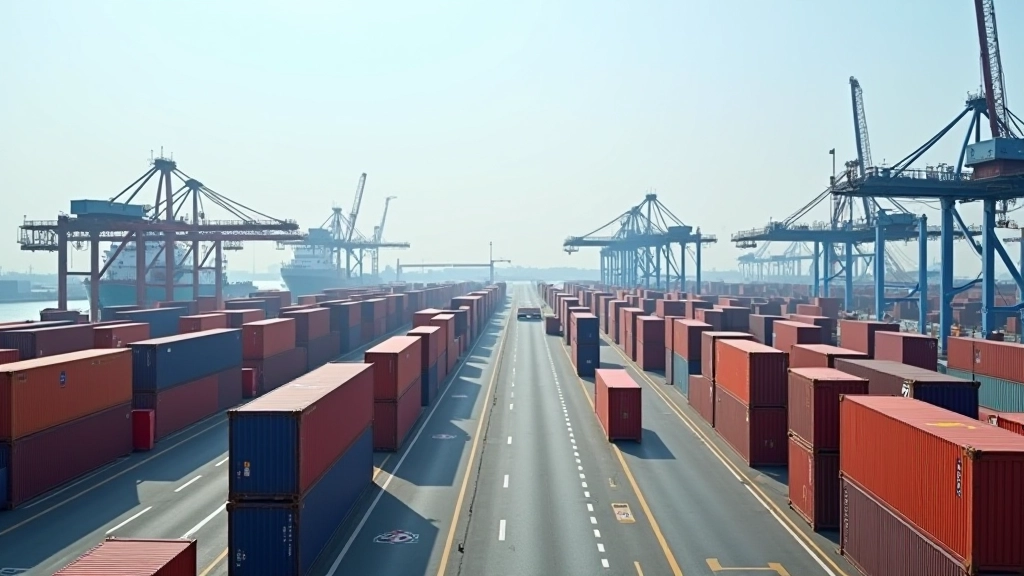
Transportation networks are particularly critical. Businesses competing in global markets need reliable, predictable shipping times. A port that can handle cargo efficiently doesn’t just benefit shipping companies — it benefits every exporter who uses that port. Better infrastructure means lower operational costs across entire industries.
Digital infrastructure creates similar ripple effects. Small businesses without broadband can’t reach online markets. Manufacturers without reliable data networks can’t implement automation or real-time inventory management. When government invests in digital infrastructure, it’s multiplying the productive capacity of thousands of enterprises.
Attracting Foreign Direct Investment
Multinational companies evaluating where to invest billions in operations don’t just look at labor costs and tax rates. They examine infrastructure quality carefully. Modern facilities, efficient logistics networks, reliable utilities, and solid telecommunications — these are table stakes for competing in today’s global economy.
Port and Logistics Infrastructure
Modern port facilities with advanced cargo handling equipment, deep-water berths, and integrated logistics hubs position Malaysia as a regional trade hub. Companies shipping goods through Asia want ports that can handle volume efficiently.
Aviation and Airport Capacity
Multiple international airports with modern facilities reduce logistics constraints for companies needing air freight. Direct international connections also attract regional headquarters and innovation centers that depend on frequent travel.
Digital and Telecommunications
Tech companies and financial services firms require world-class data connectivity and cybersecurity infrastructure. Malaysia’s investment in 5G, fiber-optic networks, and data centers makes it attractive for high-value operations.
Transportation Networks
Expressways connecting manufacturing zones to ports, airports, and population centers reduce transport costs and timelines. Companies choosing between countries often decide based on whether infrastructure supports their supply chain needs.

Building Long-Term Economic Stability
Economic stability doesn’t mean eliminating all business cycles. It means building resilience and creating conditions where growth can be sustained. Infrastructure investment contributes to stability in several important ways.
First, reliable infrastructure reduces business uncertainty. Companies can plan long-term investments when they’re confident that transportation, utilities, and communications will function reliably. That confidence translates into more hiring, more capital expenditure, and more stable employment.
Second, infrastructure that’s well-maintained doesn’t require constant emergency repairs that disrupt economic activity. A bridge that collapses or a port that floods creates sudden crises. Regular investment in maintenance and upgrades prevents these disruptions.
Third, diversified infrastructure reduces dependency on single sectors. If Malaysia’s economy relied entirely on a few ports or airports, any disruption would be catastrophic. Distributed, redundant infrastructure — multiple ports, diverse transportation routes, decentralized power generation — spreads risk and maintains economic continuity during crises.
“Infrastructure is the connective tissue of an economy. It’s not glamorous, but it determines whether businesses can operate efficiently and whether growth is sustainable.”
— Economic Development Analysis
Finally, good infrastructure enables better resource distribution. When transportation networks work well, goods and services reach remote areas, reducing regional inequality. When digital infrastructure reaches rural regions, businesses there can participate in the national and global economy. This broad-based development creates more stable, inclusive growth.

Balancing Infrastructure Investment with Fiscal Responsibility
Infrastructure investment is critical, but it’s not unlimited. Governments need to balance spending with other budget priorities and overall debt management. This is where infrastructure planning becomes genuinely difficult.
Capital vs. Operating Costs
Building new infrastructure requires large upfront capital spending. But that’s just the beginning. Maintaining roads, operating ports, running airports — these ongoing costs often exceed the initial construction budget. Poor planning means infrastructure projects that look good on opening day but become financial drains within years.
Returns on Investment Timeline
Infrastructure projects typically generate returns over decades, not years. A highway might take 10-15 years to reach full economic productivity. Meanwhile, government needs to service debt incurred for the project. This mismatch between investment timing and return timing creates fiscal pressure.
Project Selection and Efficiency
Not all infrastructure projects are equally valuable. Some generate significant returns; others underperform. Determining which projects will actually boost productivity requires careful analysis. Poorly selected projects waste resources without improving economic performance.
Maintenance and Sustainability
Infrastructure deteriorates. Roads need resurfacing, bridges need reinforcement, equipment needs replacement. Without adequate maintenance budgets, new infrastructure quickly becomes liability rather than asset. Malaysia’s challenge is ensuring that new investment doesn’t come at the expense of maintaining existing infrastructure.

The Path Forward: Strategic Infrastructure Spending
Infrastructure investment isn’t a silver bullet for economic growth, but it’s essential for sustainable development. When done strategically, it creates the conditions for businesses to operate efficiently, attracts investment, and builds long-term economic resilience.
Malaysia’s 5-year development plans recognize this. The strategy isn’t to spend recklessly, but to prioritize high-impact projects that address real constraints on economic activity. Better port facilities reduce logistics costs for exporters. Modern telecommunications networks enable tech companies to establish operations. Efficient transportation networks lower business operating costs across all sectors.
The fiscal challenge is real. Government needs to balance infrastructure spending against other budget priorities and maintain sustainable debt levels. This requires honest assessment of project returns, careful maintenance planning, and willingness to make difficult choices about which projects to prioritize.
Done well, infrastructure investment pays for itself through increased economic activity, higher tax revenues, and job creation. Done poorly, it creates white elephants that burden future budgets without generating returns. The difference lies in careful planning, realistic project evaluation, and commitment to maintaining infrastructure once it’s built. That’s how strategic spending becomes economic stability.
Explore Related Topics
Understand how infrastructure spending connects to broader fiscal policy and budget priorities.
Return to Fiscal Policy OverviewEducational Information
This article provides educational information about infrastructure investment and its relationship to economic stability. It’s intended to help readers understand fiscal policy concepts, not to provide specific investment advice or economic forecasts. Infrastructure economics is complex, with many variables affecting actual outcomes. Real-world results depend on project selection, implementation quality, maintenance commitment, and broader economic conditions. For specific information about Malaysian fiscal policy or investment decisions, consult official government publications or qualified economic professionals.